

2014, CCCYCA All rights reserved. Site Design - Garth Goodwin. Site Hosting - CCCYCA

 |
| |
 |
| |
 |
| |
 |
| |
 |

Closing Keynote:
Ben Anderson-Nathe
Ben Anderson-Nathe
Keynotes ~ Idée directrice

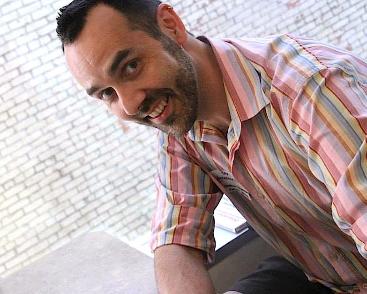
Ben Anderson-Nathe
Curriculum Vitae
Role: Child and Family Studies Program Director; Associate
Professor Education: B.A. The Evergreen State College; Certificate
in Disability Policy and Services, University of Minnesota; M.S.W.
(Youth Development & Community Leadership), University of
Minnesota; M.P.P. (Nonprofit Management & Policy Advocacy),
University of Minnesota; Ph.D. (Education: Youth Studies & Comm.
Ed.), University of Minnesota
Teaching Areas: Youth work; family studies; gender and
sexuality; diversity and social justice; applied research
Experience: Youth work; community education; disability support
and advocacy; nonprofit management and consulting
Interests: Youth work, youth worker development; runaway and
homeless youth; gender, sexuality, and sexuality education; feminist
and critical theory; interpretive and critical research methods
(phenomenology, ethnography, discourse, and content analysis);
critical pedagogy and social justice education.
Curriculum Vitae
Role: Child and Family Studies Program Director; Associate
Professor Education: B.A. The Evergreen State College; Certificate
in Disability Policy and Services, University of Minnesota; M.S.W.
(Youth Development & Community Leadership), University of
Minnesota; M.P.P. (Nonprofit Management & Policy Advocacy),
University of Minnesota; Ph.D. (Education: Youth Studies & Comm.
Ed.), University of Minnesota
Teaching Areas: Youth work; family studies; gender and
sexuality; diversity and social justice; applied research
Experience: Youth work; community education; disability support
and advocacy; nonprofit management and consulting
Interests: Youth work, youth worker development; runaway and
homeless youth; gender, sexuality, and sexuality education; feminist
and critical theory; interpretive and critical research methods
(phenomenology, ethnography, discourse, and content analysis);
critical pedagogy and social justice education.

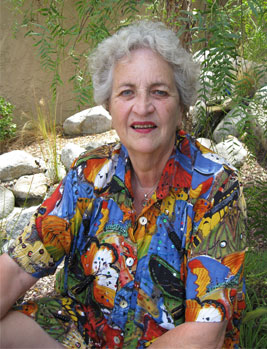
Lorraine holds a doctorate in clinical psychology and a doctoral certificate in organizational development, and is a
Certified Child Care Worker. She has been working for forty five years in child and youth care work and in the
human services. Lorraine has been a direct service worker, a supervisor, a clinical director, an Executive Director,
and Assistant Professor. She has delivered keynote addresses locally, nationally and internationally, and has
presented at conferences and provided training and consultation services for a variety of service organizations in
the United States, Australia, Canada, Guam, England, Scotland and Czechoslovakia. In addition to extensive work
with private service agencies, Lorraine is a contract instructor with the University of California, Davis, San
Francisco State University and the San Diego State University Foundation, training public service employees
serving welfare and child protective clients and their community partners. In addition, Lorraine has a long
standing relationship with the California Community Colleges Foster and Kinship Care Education Programs
providing training for substitute caregivers and Foster Care and Adoption agencies. She was awarded the
Outstanding Service Award for Excellence in Teaching by the UC-Davis. Lorraine has published scholarly articles,
writes a monthly Parenting column for her church newsletter, and co-authored an internationally recognized
training curriculum. Lorraine has appeared on radio and television in the U.S., Canada, and Australia. She is
listed in many Who's Who publications, and has been a consulting editor for the Journal of Child and Youth Care.
Certified Child Care Worker. She has been working for forty five years in child and youth care work and in the
human services. Lorraine has been a direct service worker, a supervisor, a clinical director, an Executive Director,
and Assistant Professor. She has delivered keynote addresses locally, nationally and internationally, and has
presented at conferences and provided training and consultation services for a variety of service organizations in
the United States, Australia, Canada, Guam, England, Scotland and Czechoslovakia. In addition to extensive work
with private service agencies, Lorraine is a contract instructor with the University of California, Davis, San
Francisco State University and the San Diego State University Foundation, training public service employees
serving welfare and child protective clients and their community partners. In addition, Lorraine has a long
standing relationship with the California Community Colleges Foster and Kinship Care Education Programs
providing training for substitute caregivers and Foster Care and Adoption agencies. She was awarded the
Outstanding Service Award for Excellence in Teaching by the UC-Davis. Lorraine has published scholarly articles,
writes a monthly Parenting column for her church newsletter, and co-authored an internationally recognized
training curriculum. Lorraine has appeared on radio and television in the U.S., Canada, and Australia. She is
listed in many Who's Who publications, and has been a consulting editor for the Journal of Child and Youth Care.
Opening Keynote:
Dr. Lorraine E. Fox
Dr. Lorraine E. Fox
Keynote Theme:
Believing Does Not Make It So!
Moving from Faith to Facts in the
Message of our Work
Lorraine E. Fox, Ph.D.
In the days of “Outcome Based
Funding” and “Evidence-Based
Practice” those who toil in the
minefield of building relationships with
discouraged, demoralized, and
vulnerable young people must find a
way to talk concretely about how our
work leads to healing and better lives
for those who have been abused and
neglected. We will talk together about
what we know – not believe – to be
true about the results of reparative
relationships between suspicious
children and youth and adults willing to
embrace them: Embrace them as they
scratch, kick, scream, and push us
away. What truths can we find to keep
us engaged, empowered, and
encouraged? When we find these, we
find our voice in proclaiming the worth
of our efforts.
Believing Does Not Make It So!
Moving from Faith to Facts in the
Message of our Work
Lorraine E. Fox, Ph.D.
In the days of “Outcome Based
Funding” and “Evidence-Based
Practice” those who toil in the
minefield of building relationships with
discouraged, demoralized, and
vulnerable young people must find a
way to talk concretely about how our
work leads to healing and better lives
for those who have been abused and
neglected. We will talk together about
what we know – not believe – to be
true about the results of reparative
relationships between suspicious
children and youth and adults willing to
embrace them: Embrace them as they
scratch, kick, scream, and push us
away. What truths can we find to keep
us engaged, empowered, and
encouraged? When we find these, we
find our voice in proclaiming the worth
of our efforts.
TRAUMA INFORMED CARE
Lorraine E. Fox, Ph.D.
Thursday All Day (9-4:30) WORKSHOP DESCRIPTION
People involved in the world of child welfare cannot help but notice the new call to practicing “Trauma Informed Care”. Such an
approach is being written into the language of licensing and certification bodies and is becoming an expectation of
professionals and para-professionals alike. What is Trauma Informed Care? What is expected of those living or working with
traumatized children and teens? During this workshop we will examine in close detail what makes an experience a “trauma”
and how such experiences result in symptomatic behavior that is often puzzling and challenging. We will also examine how
various people in various roles with traumatized have something unique and special to offer in terms of their healing.
Topics include:
Symptoms of PTSD, including fear, anxiety, sexualized behavior, aggressive acting out, processing errors, behavioral problems
and learned helplessness
Differences between crises and trauma
Primary trauma from abuse and neglect
Secondary trauma from exposure to domestic violence
PTSD and memory problems and how these cause children additional trauma
Interventions for treating PTSD and its various manifestations, including therapy and therapeutic parenting
LEARNING OBJECTIVES
Lorraine E. Fox, Ph.D.
Thursday All Day (9-4:30) WORKSHOP DESCRIPTION
People involved in the world of child welfare cannot help but notice the new call to practicing “Trauma Informed Care”. Such an
approach is being written into the language of licensing and certification bodies and is becoming an expectation of
professionals and para-professionals alike. What is Trauma Informed Care? What is expected of those living or working with
traumatized children and teens? During this workshop we will examine in close detail what makes an experience a “trauma”
and how such experiences result in symptomatic behavior that is often puzzling and challenging. We will also examine how
various people in various roles with traumatized have something unique and special to offer in terms of their healing.
Topics include:
Symptoms of PTSD, including fear, anxiety, sexualized behavior, aggressive acting out, processing errors, behavioral problems
and learned helplessness
Differences between crises and trauma
Primary trauma from abuse and neglect
Secondary trauma from exposure to domestic violence
PTSD and memory problems and how these cause children additional trauma
Interventions for treating PTSD and its various manifestations, including therapy and therapeutic parenting
LEARNING OBJECTIVES
- As a result of this workshop, participants will be able to:
- Define and explain the essential features of post-traumatic stress disorder.
- Examine both primary and secondary trauma
- Describe various “types” of trauma, and how they differ from each other.
- Outline the general categories of symptoms of PTSD, as well as describe specific symptoms under each category and
how these symptoms can be recognized in behavior. - Identify specific changes in the developing brain caused by exposure to primary and secondary trauma
- Understand the relationship between trauma and memory, and some of the problems these issues cause for both clients
and workers. - Explain some of the features of individual “resiliency”, and how these affect the outcomes from a traumatic experience.
- Outline effective therapeutic interventions that can be done in a family home, group home, or foster care
- Describe a variety of short and long term treatment interventions for PTSD in a variety of settings.
Closing Keynote Theme:
Getting there is more fun than being there: Reflections on our collective CYC road trip
Getting there is more fun than being there: Reflections on our collective CYC road trip
It's often been said of road trips that getting there is half the fun. I suggest that it's more than half - the point of the journey isn't
actually the destination, it's paying careful attention to what's happening along the way. In this closing talk, I will offer my own
reflections and invite us to look closely, together, at our collective journey as a field. What are some of our successes? What
questions continue to vex us? What obstacles do we need to prepare ourselves to face as we move the field forward?
actually the destination, it's paying careful attention to what's happening along the way. In this closing talk, I will offer my own
reflections and invite us to look closely, together, at our collective journey as a field. What are some of our successes? What
questions continue to vex us? What obstacles do we need to prepare ourselves to face as we move the field forward?